Table of Contents
Overview of Horizontal Spooling Machines
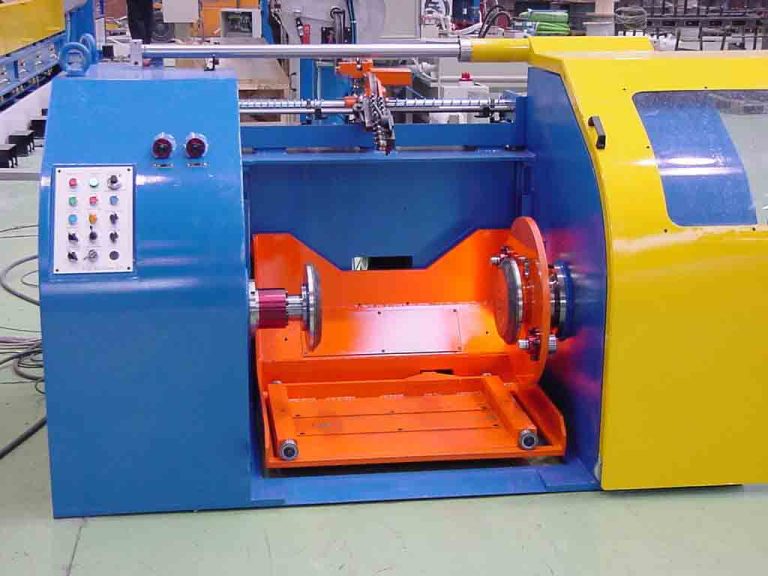
Horizontal spooling machines are essential equipment in the metal wire processing industry, designed to efficiently spool wire onto reels or bobbins. These machines are particularly valued for their ability to handle various types of metal wires, including copper, aluminum, and steel. Their horizontal orientation allows for a more streamlined operation, reducing the risk of tangling and ensuring consistent tension during the spooling process.
The design of horizontal spooling machines often incorporates advanced technology, such as automatic tension control and speed adjustment features. This automation not only enhances productivity but also minimizes manual labor, making it easier for manufacturers to maintain high levels of output while ensuring quality. With the increasing demand for precision-engineered wire products, these machines have become a staple in modern manufacturing environments.
Key Features of Horizontal Spooling Machines
One of the standout features of horizontal spooling machines is their adaptability to different wire diameters and materials. Manufacturers can customize the spooling parameters according to specific requirements, allowing for versatility in production. This flexibility is crucial for businesses that serve diverse markets, as it enables them to quickly switch between different wire types without significant downtime.
In addition to their adaptability, horizontal spooling machines are designed with user-friendly interfaces that simplify operation and monitoring. Operators can easily set up and adjust machine settings, track production metrics, and troubleshoot issues in real-time. This ease of use not only enhances operational efficiency but also contributes to improved safety in the workplace.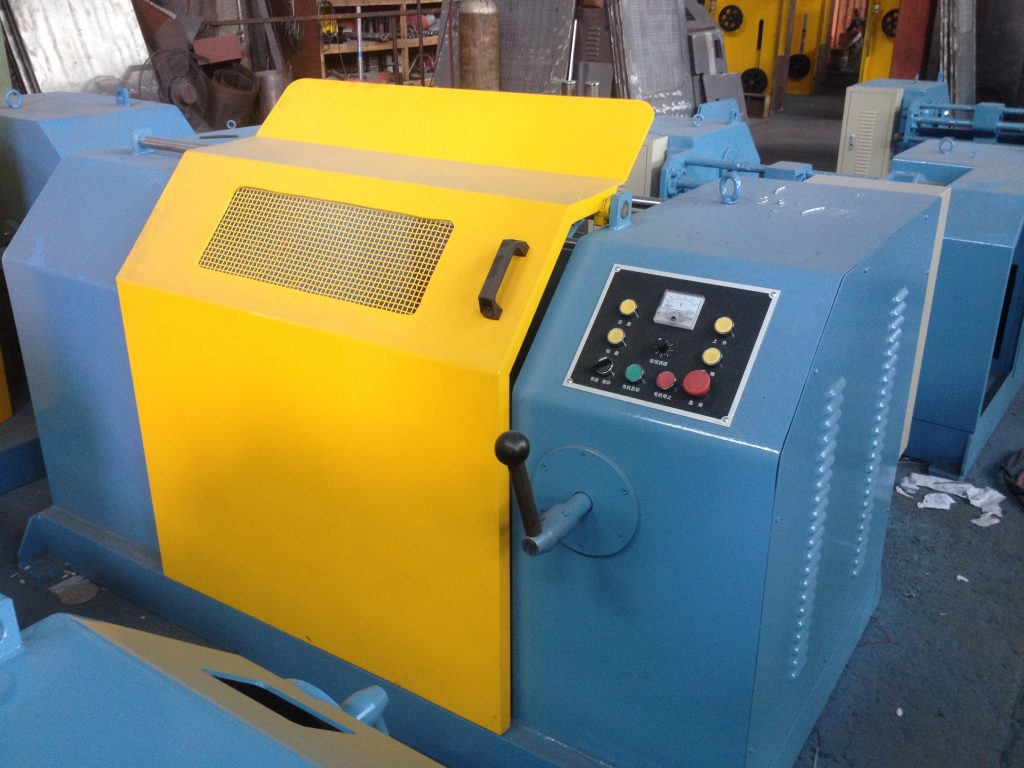
Maintenance and Longevity
Proper maintenance is vital for ensuring the longevity and reliability of horizontal spooling machines. Regular checks on key components such as motors, belts, and spools are necessary to prevent wear and tear that could lead to operational disruptions. Many manufacturers provide guidelines and maintenance schedules to help operators keep their machines in optimal condition.